Cross-Game Interactions Driving Asset Accumulation and Prize Redemption in Mobile Platforms
Written by Sofia Ludwig · Oct 9, 2026
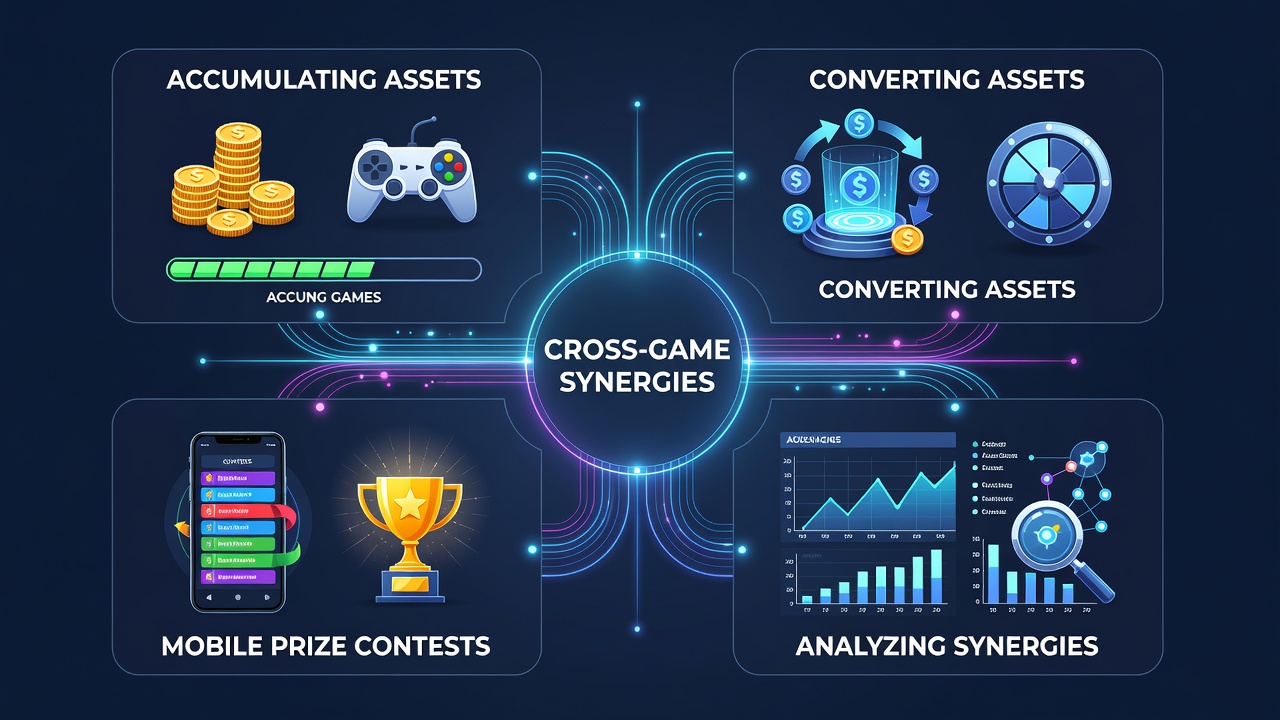
Cross-Game Interactions Driving Asset Accumulation and Prize Redemption in Mobile Platforms
Developers have built mobile prize platforms where players move resources between separate titles, creating measurable overlaps in how coins, bonuses, and progress markers combine before any conversion step occurs. Data from platform operators indicate that users who rotate between two or more games within a single ecosystem accumulate convertible balances at rates that exceed single-game play by measurable margins, with October 2026 updates introducing shared event calendars that further align these cycles.
Mechanics of Resource Transfer Between Titles
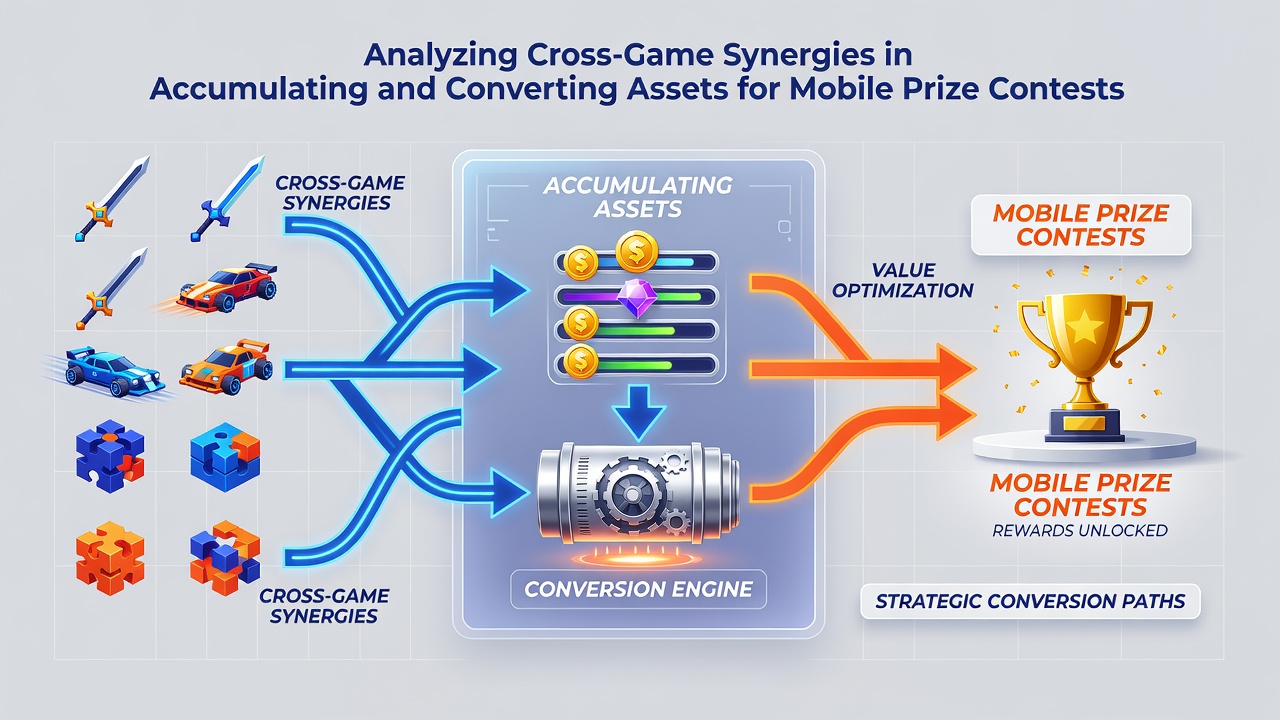
Most systems operate through a central wallet that accepts deposits from each participating game while preserving game-specific multipliers for limited periods, and this architecture allows players to complete daily objectives in one title then apply the resulting credits toward progress bars in another without resetting eligibility timers. Researchers tracking user logs across major networks report that the average session length increases when transfer options appear on-screen immediately after a round ends, because participants extend activity to meet threshold requirements that unlock higher conversion tiers.
Bonus Layer Overlaps and Timing Windows
Timed promotions frequently span multiple titles simultaneously, so a multiplier earned in a match-three format can apply to spins in a separate reel-based contest during the same calendar window, and platform telemetry collected through 2026 shows these overlapping windows produce clustered redemption spikes on the final day of each promotion. Observers note that users who monitor shared calendars rather than isolated game notifications complete more transfer sequences before expiration, which in turn feeds larger prize pools at the point of cash-out or physical item selection.
Conversion Pathways and Platform Policies
Redemption thresholds vary by region yet follow consistent patterns where combined balances from multiple sources reach minimums faster than isolated totals, and regulatory filings submitted to bodies such as the Australian gambling help services document how operators disclose these aggregated balances to maintain transparency. Conversion itself occurs through a unified request screen that lists eligible games and their contribution percentages, allowing users to select which accumulated assets apply toward a chosen prize while preserving any remaining balances for continued play.
Network Effects on Player Retention
Community features that display aggregate progress across titles encourage continued participation because visible group milestones trigger additional transfer incentives, and longitudinal data sets compiled by university research teams reveal retention curves that flatten less steeply when cross-title synergies remain active. Players who engage these features show higher rates of returning within 48 hours, particularly when event timers reset in staggered patterns that reward switching rather than repeated focus on one game.
Technical Implementation and Data Tracking
Backend systems log each transfer with timestamps, source game identifiers, and multiplier values so that audits can verify compliance with prize distribution rules, and this granular tracking supports the creation of personalized recommendations that highlight underused titles capable of feeding the central balance. Industry reports from the North American Association of State and Provincial Lotteries note that such recommendation engines have become standard in applications released after mid-2025, correlating with steady growth in total assets moved between games each month.
Regional Variations in Synergy Design
North American platforms tend to emphasize daily login streaks that carry across titles, whereas European and Asian deployments more often feature collaborative events where group totals determine bonus rates for all participants, and these differences produce distinct accumulation curves visible in aggregated telemetry. October 2026 saw several operators align their regional calendars to test unified global events, resulting in temporary spikes in cross-border asset movement that operators tracked through standardized reporting protocols.
Conclusion
Cross-game synergies in mobile prize contests rest on shared wallets, overlapping promotions, and unified redemption interfaces that together shape how assets build and convert, and ongoing platform updates continue to refine the timing and visibility of these connections. Observers tracking usage patterns through late 2026 report consistent correlations between transfer frequency and prize claim volume, underscoring the structural role these mechanics now occupy in the broader ecosystem of portable contest applications.