Collective Benchmarks and Circulation Dynamics in Smartphone Prize Networks
Written by Parker Schulz · Oct 23, 2026
Collective Benchmarks and Circulation Dynamics in Smartphone Prize Networks
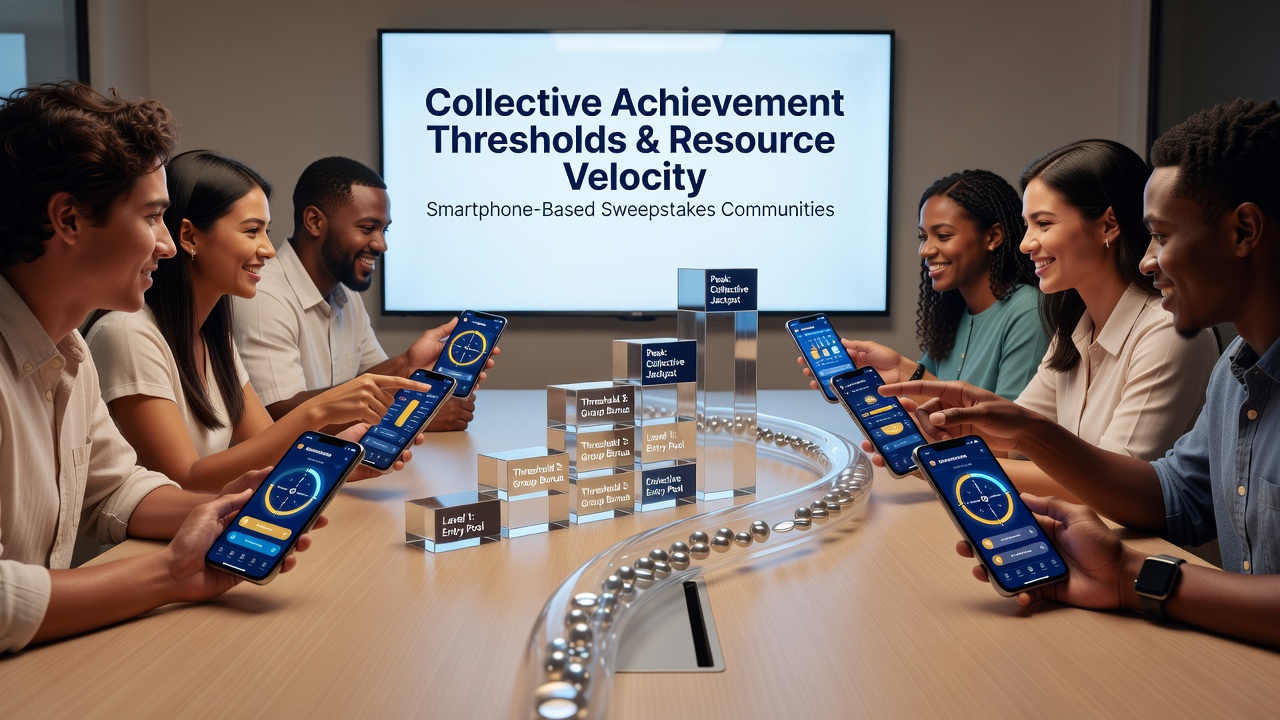
Smartphone-based sweepstakes communities operate through interconnected systems where group milestones determine access to pooled resources while individual contributions influence overall circulation rates of virtual assets. These environments track participation metrics across thousands of users daily, with achievement thresholds serving as release points for shared rewards that then re-enter active circulation within hours or days.
Defining Group Milestones in Mobile Prize Ecosystems
Collective achievement thresholds function as coordinated targets where total user actions, such as spins completed or entries submitted, unlock tiered prize pools distributed back to participants. Data from platform operators indicates that these benchmarks often reset on weekly cycles, with October 2026 records showing average completion times ranging from 48 to 72 hours for mid-tier goals in apps supporting over 100,000 concurrent players. Researchers at the University of Nevada's Gaming Research Center have documented how these thresholds encourage synchronized activity bursts, particularly during evening hours when participation rates climb by measurable percentages across North American time zones.
Resource velocity measures the speed at which coins, tokens, or entries move through community networks before conversion or expiration occurs. Higher velocity appears when redeemed assets return quickly to active use rather than remaining idle in user accounts. Industry reports compiled by the Australian Communications and Media Authority highlight that mobile platforms with integrated community features exhibit circulation speeds up to 35 percent faster than single-player formats, based on transaction logs analyzed across multiple fiscal quarters.
Interaction Patterns Between Thresholds and Flow Rates
When collective benchmarks activate, released resources accelerate through distribution channels, creating temporary spikes in velocity as users exchange or apply new assets toward subsequent goals. Observers note that this feedback loop strengthens during coordinated events where multiple thresholds align, such as weekend tournaments that combine individual progress with group totals. One documented case involved a platform where a 500,000-spin community target triggered bonus allocations that users then deployed within an average of 14 minutes, according to internal analytics shared at gaming industry conferences.
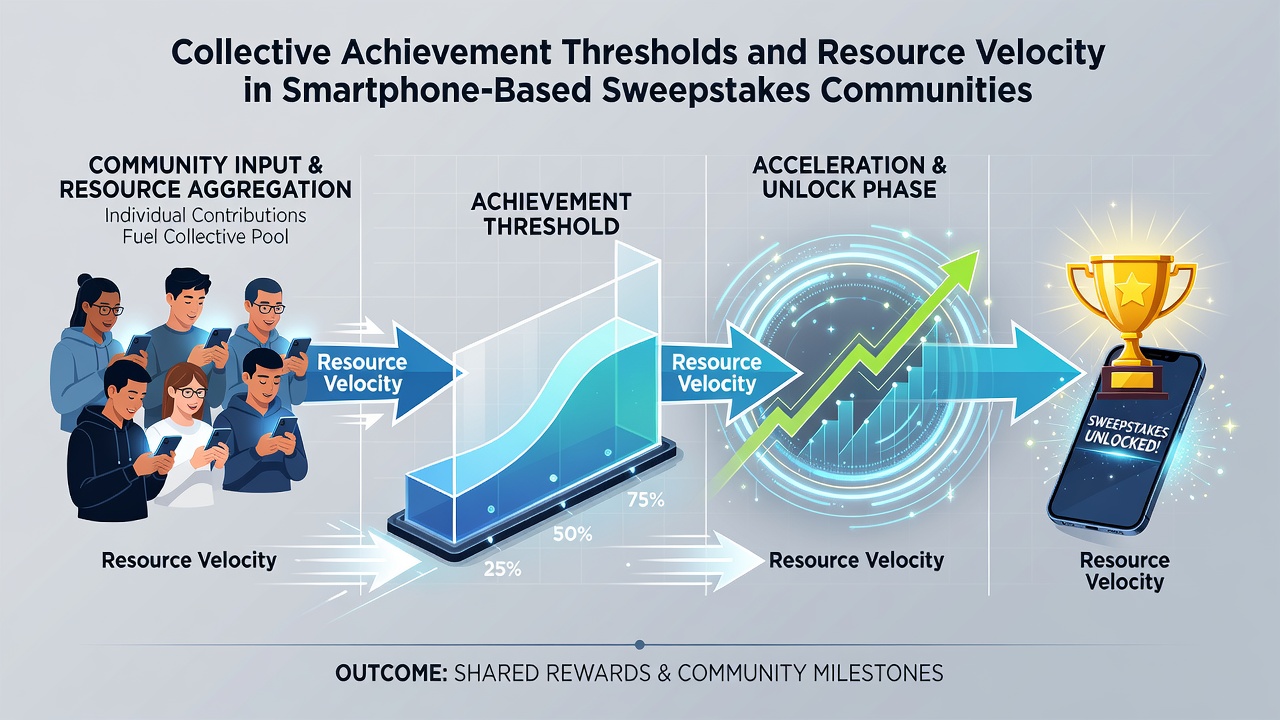
Platform mechanics often incorporate decay timers on unspent assets to maintain velocity, preventing stagnation that could reduce engagement across teh network. Those who've examined transaction data find that communities with frequent threshold events sustain steadier resource movement compared to systems relying solely on individual incentives. Canadian regulatory filings from the Alcohol and Gaming Commission of Ontario record similar patterns in licensed social gaming applications, where group-driven releases correlate with elevated daily active user counts and faster redemption cycles.
Observed Behaviors in October 2026 Platform Activity
October 2026 brought increased integration of real-time progress trackers in several major applications, allowing users to monitor collective advancement toward shared benchmarks. This visibility appears to shorten the interval between threshold completions and subsequent resource deployment, with some networks reporting velocity increases of 20 percent over prior months. Academic analyses from European universities have linked these design choices to measurable shifts in participation density, particularly in regions where mobile data access supports continuous connectivity.
Cross-platform comparisons reveal that apps emphasizing community alliances experience more consistent resource circulation than isolated play models. Threshold systems that scale rewards based on total group size further amplify velocity by distributing larger asset volumes that participants then reinvest rapidly. Figures from the International Social Gaming Association indicate sustained growth in such features through late 2026, with average session lengths extending when collective targets remain visible on user dashboards.
Conclusion
Smartphone sweepstakes communities continue to refine how collective benchmarks interact with resource movement, producing measurable effects on participation volume and asset turnover rates. Platform operators monitor these dynamics through aggregated usage statistics, adjusting threshold parameters to sustain balanced circulation across expanding user bases. As of October 2026, available records show ongoing evolution in these mechanics without signs of stabilization in velocity patterns.