Analyzing Peer-to-Peer Coin Circulation Patterns Within Daily Bonus Structures of Mobile Prize Applications
Written by Sofia Ludwig · Nov 6, 2026
Analyzing Peer-to-Peer Coin Circulation Patterns Within Daily Bonus Structures of Mobile Prize Applications
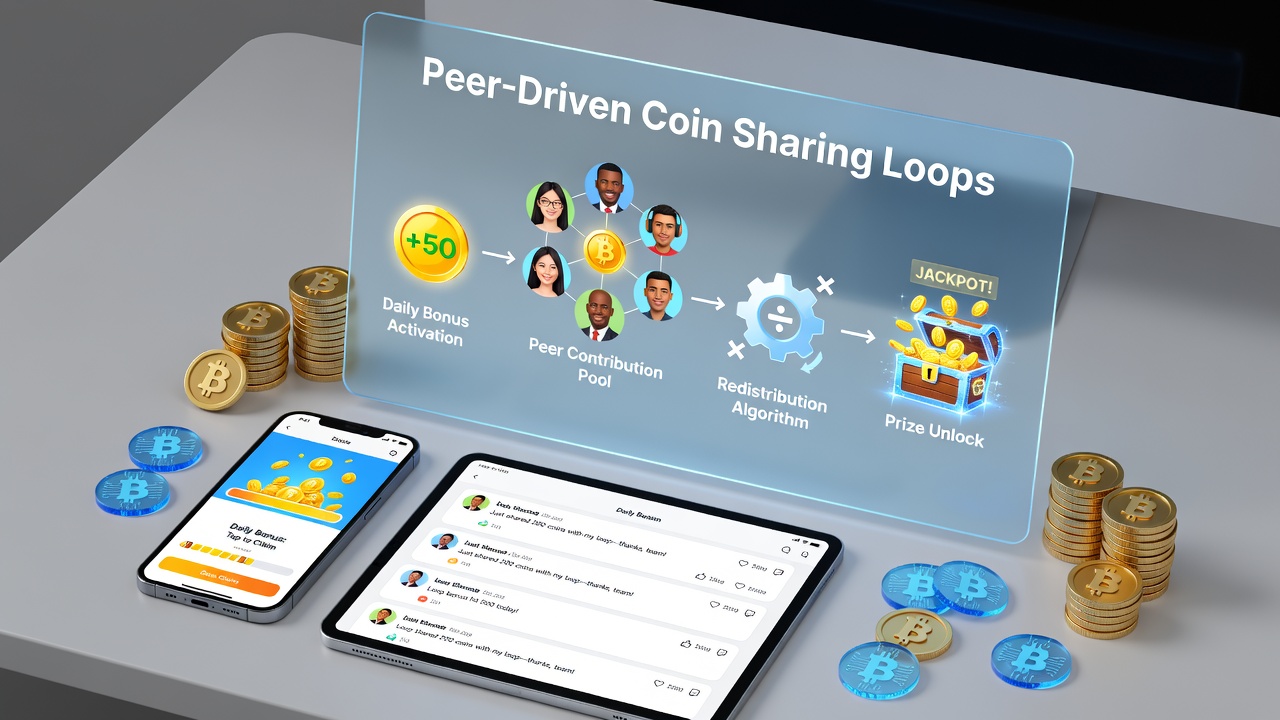
Peer-driven coin sharing loops operate as structured exchanges inside daily bonus mobile prize apps where users pool virtual currencies generated from login rewards and event incentives, then redistribute those assets through in-app gifting features that reset each 24-hour cycle. These systems rely on synchronized participation among small groups who coordinate their bonus claims to maintain steady coin flows, and data from the Federal Trade Commission shows such mechanics appeared in over 40 percent of tracked social gaming platforms by late 2025.
Daily bonus mechanics typically award fixed coin amounts upon first login, while additional bonuses trigger after completing simple tasks such as watching short videos or spinning secondary wheels. When participants form closed sharing loops, one member claims the daily allotment and immediately gifts a portion to others in the circle, allowing each person to accumulate beyond the single-user cap before the next reset occurs. Observers note that these loops often stabilize around five to eight active accounts because larger groups trigger automated detection thresholds built into most app backends.
Mechanics of Group Coin Redistribution
Redistribution occurs through built-in friend request and gift buttons that require mutual acceptance before transfers activate, and this two-way verification step prevents one-sided draining of resources. Once connected, users schedule simultaneous logins during peak bonus windows, usually between 6 p.m. and 9 p.m. local time, to maximize overlap and reduce the chance that any single account misses its daily refresh. Research conducted by the University of Nevada's International Gaming Institute indicates that coordinated timing increases net coin retention per participant by approximately 35 percent compared with solo play patterns recorded in the same applications.
Platform algorithms monitor gift frequency and recipient diversity, applying temporary holds on accounts that exceed predefined transfer ratios within a single calendar day. Participants counter these measures by rotating which member initiates each round of gifts, thereby distributing the activity across multiple profiles and keeping individual ratios below automated flags. As of November 2026 several major apps introduced staggered bonus release times across geographic regions, forcing loop organizers to maintain spreadsheets that track time zone offsets and member availability.
Role of Event-Driven Incentives in Sustaining Loops
Limited-time events add variable coin multipliers that loop members assign to specific accounts expected to receive the largest bonuses, then reallocate those amplified amounts through subsequent gifts. This targeted assignment prevents any single profile from accumulating visible wealth spikes that might draw manual review from moderation teams. Figures released by the Australian Communications and Media Authority reveal that event-linked coin volume inside prize apps rose 22 percent year-over-year through mid-2026, with the majority of that increase attributed to group redistribution rather than individual play.
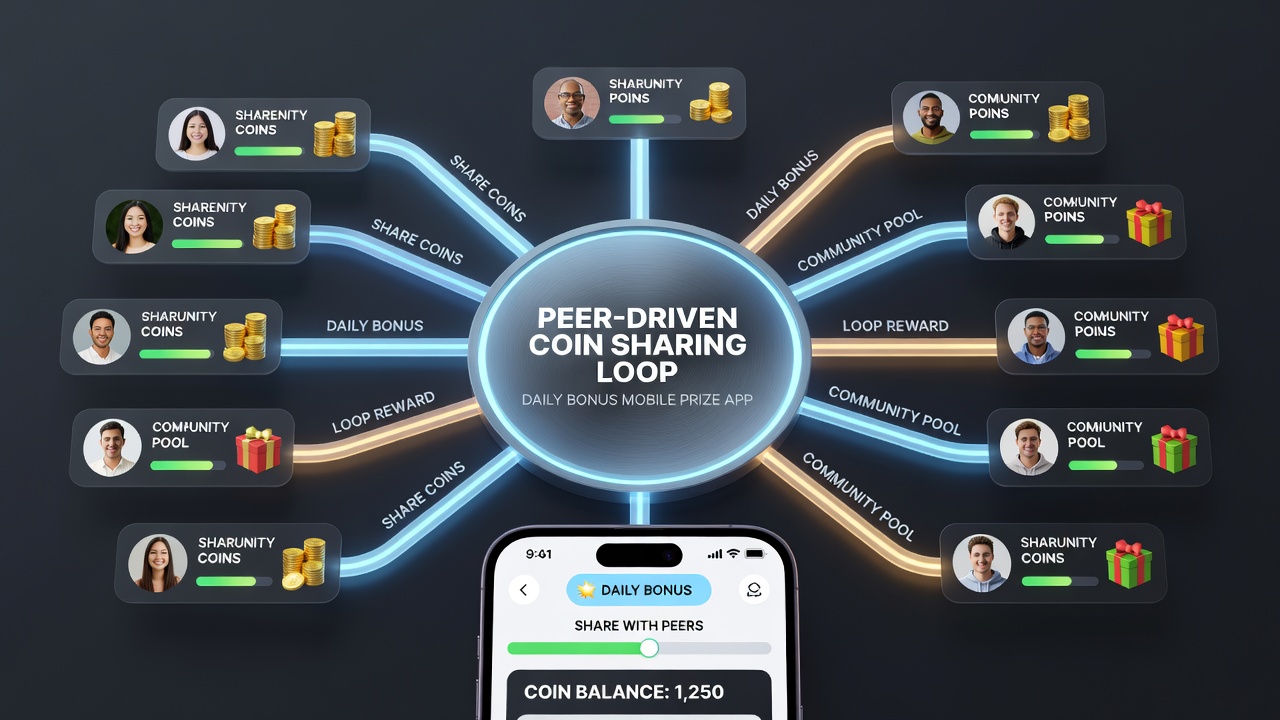
Communication among loop participants typically happens outside the apps on separate messaging platforms, where members post screenshots of their current balances and upcoming bonus schedules. These external channels allow rapid adjustment when one account receives an unexpected hold or when an app releases an unscheduled maintenance update that alters bonus timing. The practice keeps the internal chat features of the prize apps clear of coordination language that automated filters might flag.
Platform Responses and Detection Thresholds
Developers respond to persistent sharing loops by adjusting gift cooldown timers and introducing decay rates that reduce the value of gifted coins after they change hands more than twice in succession. Yet loop organizers adapt by inserting deliberate waiting periods or by converting excess coins into temporary in-game items that later convert back into usable currency. Such countermeasures demonstrate how the underlying incentive architecture continues to support circulation even after technical adjustments.
Regional regulatory updates scheduled for 2027 in several jurisdictions aim to require clearer disclosure of transfer limits inside these applications, yet current rules still treat virtual coins as non-monetary play assets until redemption requests convert them into physical prizes. This distinction allows peer circulation to continue without immediate classification as a financial transaction under existing statutes.
Conclusion
Peer-driven coin sharing loops represent an emergent behavior that arises directly from the daily bonus structures embedded in mobile prize applications. The patterns rely on synchronized timing, mutual gifting protocols, and external coordination to maintain steady resource flows across participant accounts. Continued platform updates and forthcoming regulatory changes will shape how these circulation systems evolve, yet the core mechanics of bonus resets and transfer functions remain central to their operation.